.png)
.svg)


Volatility returned to start the year, not only to financial markets but also to shifting U.S. policy stances driving new geopolitical uncertainty amid widening global conflict. Even before recent events, precious metals saw notable swings, with gold and silver posting sharp gains and reversals, while the U.S. dollar weakened. These moves reflect a broader trend as nations increasingly focus on sovereign resource security. Technology stocks were penalized for elevated capital expenditures despite solid earnings, even though returns can take years to materialize. Concerns over the impact of artificial intelligence (AI) also spread beyond the tech sector: Is AI set to disrupt the world around us?
As events continue to reshape global order, oil prices have spiked, renewing inflation worries. For now, equity market indices have largely held their ground. Perhaps investors have learned from the policy-driven disruptions of 2025 to better focus on the longer-term picture despite near-term uncertainty. In this environment, maintaining a longer-term perspective can be a prudent strategy.
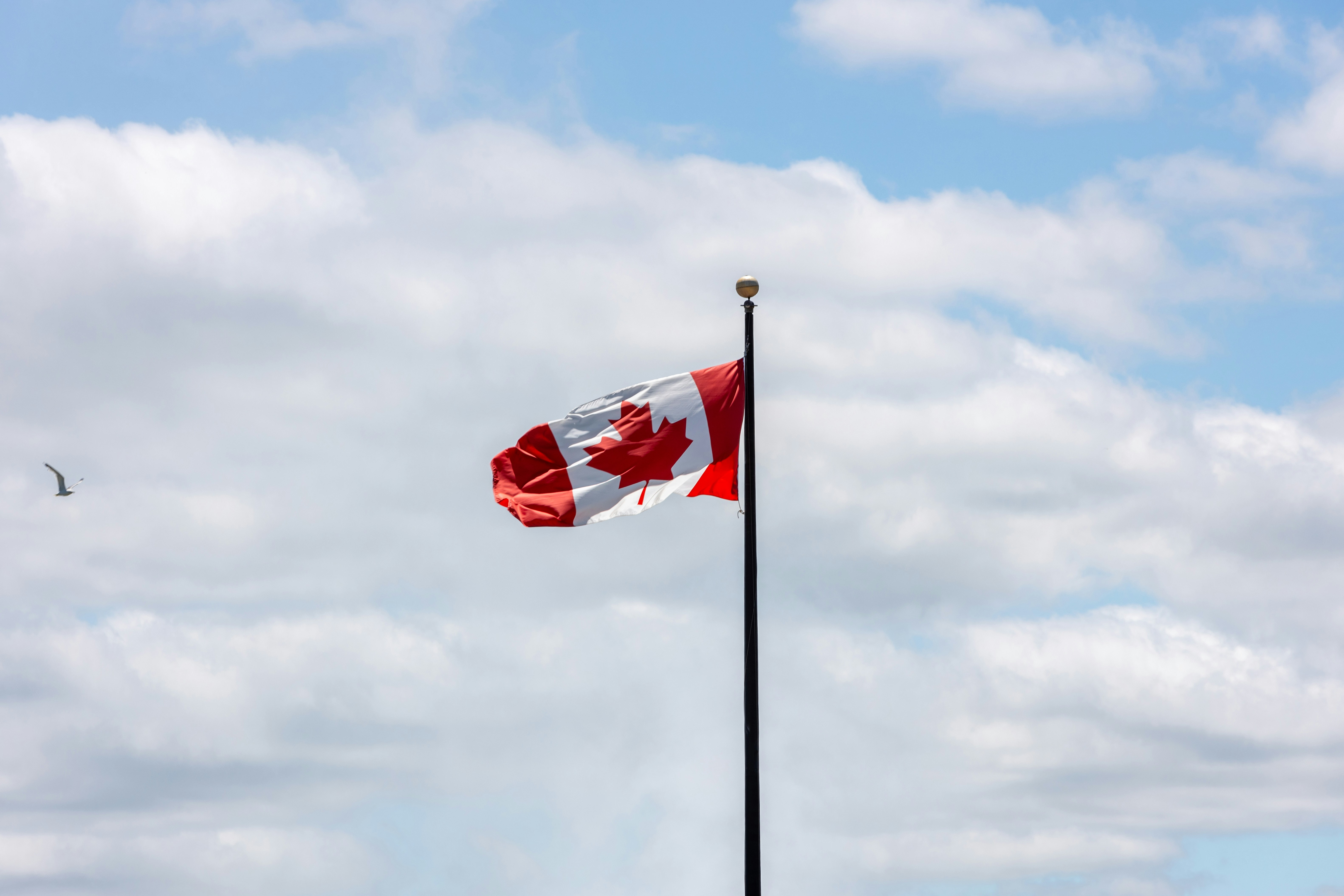
Trade policy has been no less volatile. Though a U.S. Supreme Court ruling against U.S. tariffs is unlikely to change the current administration’s approach, it has intensified debate over the broader effects on U.S. households and businesses. Attention is now turning to the U.S.-Mexico-Canada Agreement (USMCA) as renegotiations approach. With Canadian exports to the U.S. accounting for roughly 20 percent of Canada’s GDP, investors are watching closely to see whether political threats translate into policy change.
While many economists expect the agreement to survive in some form, a complete collapse would not be catastrophic. Oxford Economics estimates that such an outcome would lower Canada’s GDP by about 1.8 percent below baseline and reduce private investment by 6 to 7 percent.1 The impact would be significant, but Canada has endured far more severe shocks and recovered.
In the early 1980s recession, output fell by around 5 percent, and unemployment climbed to 12 percent. Elevated Canada-U.S. trade barriers are also not unprecedented, having persisted for long stretches during the 19th and 20th centuries.
More broadly, the renegotiation of USMCA serves as a reminder that we must navigate a changed world. Prime Minister Carney captured this shift at the World Economic Forum in January: “The old order is not coming back. We shouldn’t mourn it. Nostalgia is not a strategy.” In response, the government has been focused on reorienting the economy, doubling defence spending, signing new trade and security agreements and deepening ties with global partners.2 There’s significant work to be done, but even as a middle power, Canada’s foundational advantages shouldn’t be overlooked: vast energy and resources, abundant fresh water, three coastlines, the world’s most educated population and political stability.
The broader lessons translate into investing. Conditions that appear stable can shift quickly; markets are inherently volatile. No economic cycle, policy regime or market trend is permanent. In that context, diversification is a necessity for managing risk. At a time of amplified uncertainty from increasingly reactive global policymaking, discipline matters more than ever, particularly when the range of possible outcomes is wide. Conviction, paired with flexibility, allows investors to remain positioned through short-term volatility while adjusting to fundamental shifts. In a world where change continues to feel persistent rather than episodic, this balance will ultimately support long-term investment success.
1. www.oxfordeconomics.com/resource/usmca-scenarios-north-american-trade-at-a-crossroads/; 2. https://www.cbc.ca/news/politics/carney-davos-speech-9.7052725


.svg)
.svg)
.png)

.png)

