.png)
.svg)


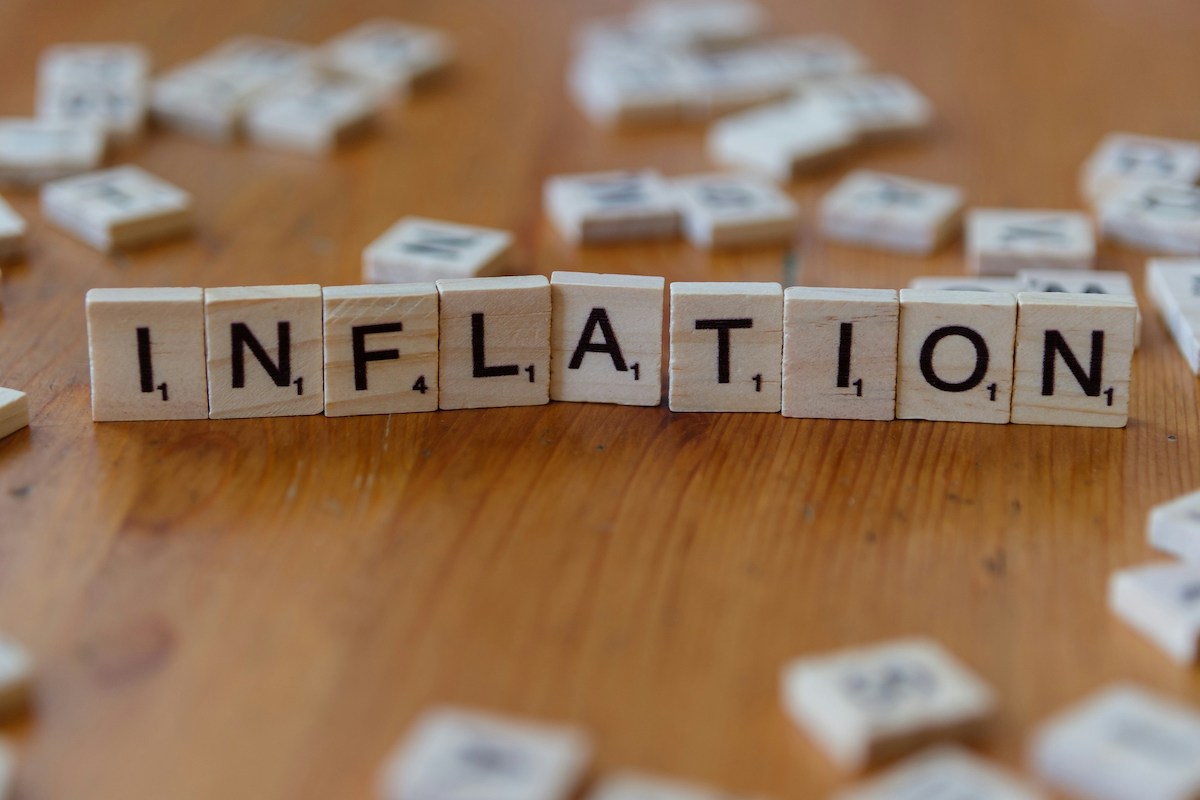
Investors received some welcome news this week as US inflation showed signs of easing. After months of uncertainty, the latest data provided evidence that price pressures are continuing to moderate, giving markets some optimism that the Federal Reserve may have more flexibility around future interest rate decisions.
US consumer prices declined 0.4% in June, the largest monthly decline since 2020, bringing annual inflation down to 3.5%. A meaningful contributor to the improvement was lower energy prices, which provided some relief for consumers and businesses after a prolonged period of elevated costs.
However, investors should be careful not to assume the inflation battle is over.
Energy prices remain one of the most unpredictable components of inflation, and recent geopolitical developments have created renewed uncertainty in global oil markets. Oil prices have moved higher again in recent days, reminding investors that inflation trends can change quickly when supply concerns emerge. If energy prices continue to rise, some of the recent improvement in inflation data could prove temporary.
This is the challenge facing central banks.
During Jerome Powell’s tenure as Federal Reserve Chair, the Fed emphasized patience, transparency, and a data-dependent approach. Rather than committing to a specific path for interest rates, Powell consistently highlighted the importance of balancing inflation trends, economic growth, and employment conditions. This approach helped investors understand that monetary policy would remain flexible as the economic environment evolved.
With new leadership now in place, investors will be watching closely to see how the central bank communicates future decisions and whether its approach to policy guidance changes. Ultimately, markets will continue to focus less on individual comments and more on the underlying economic data.
Canada faces a different set of challenges. The Bank of Canada recently held interest rates steady as policymakers continue to balance improving inflation trends with slower economic growth and the impact of higher borrowing costs on households. While inflation has improved from its peak, the path forward remains uncertain, particularly with energy prices once again becoming a potential source of pressure.
For investors, the most important takeaway is that economic developments rarely exist in isolation. Inflation, interest rates, and geopolitical events are interconnected, and the impact of one factor often depends on how it influences the broader environment.
The most difficult part of investing is rarely identifying what has occurred. The harder question is understanding what it means.
Economic data is constantly evolving, and markets are continuously adjusting their expectations. The opportunity comes not from reacting the fastest, but from understanding which developments are truly changing the investment landscape and which are simply part of the normal market cycle.


.svg)
.svg)
.png)

.png)
.png)
