.png)
.svg)


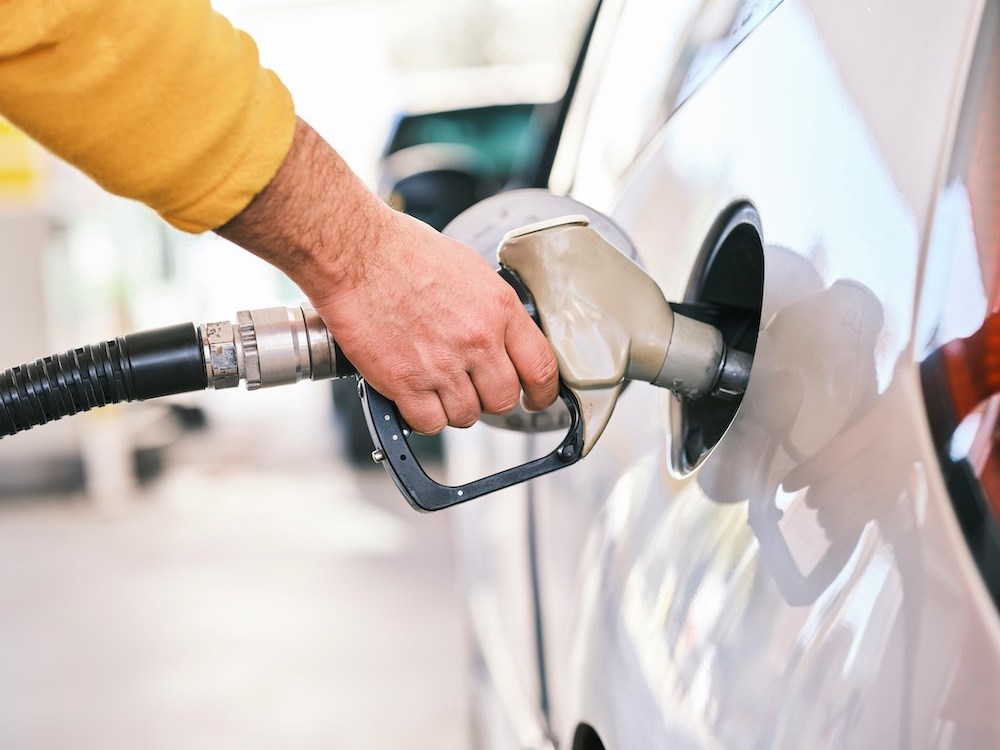
I was recently on a call with a client when we started reminiscing about the “good old days” when gas cost 7 cents a litre.
At first, it felt like one of those classic conversations that reminds us how much the world has changed over time. Cheap gas. Twenty-five cent hamburgers. Movie tickets for pocket change.
But underneath the nostalgia is an important financial lesson – inflation changes everything over time.
Not dramatically from one month to the next. In fact, it often feels almost invisible in real time. But stretch that same trend across 20, 30, or 40 years and the impact becomes enormous.
Consider how dramatically basic items have changed over the years:
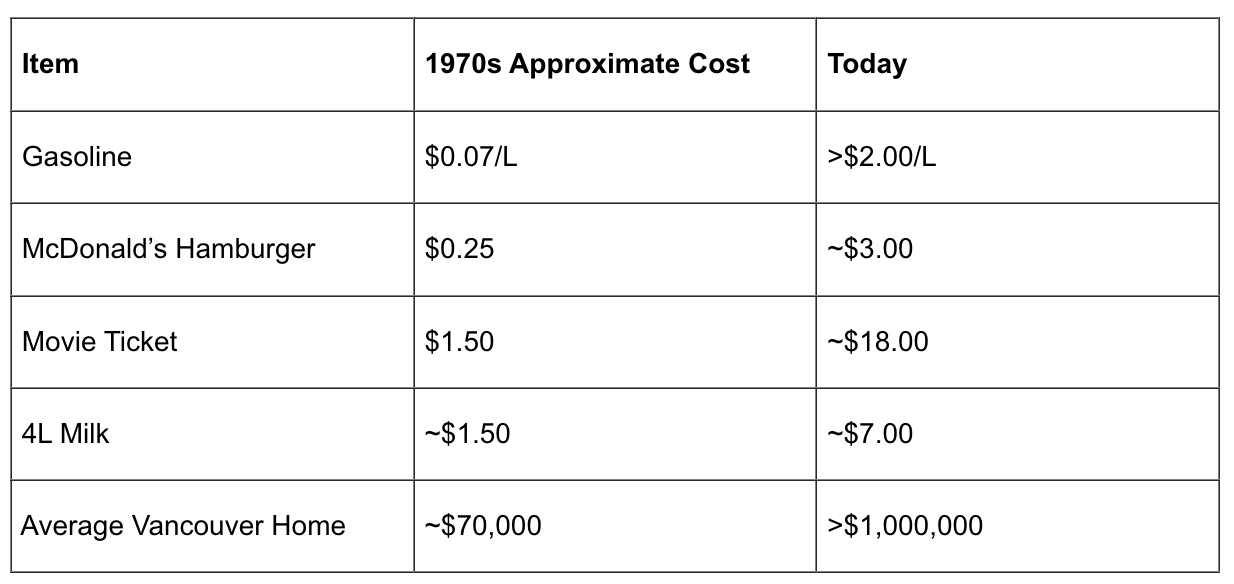
These numbers are striking, but they highlight an essential reality for investors: cash loses purchasing power over time.
That is one of the primary reasons we invest.
While some invest for the excitement, most Canadians invest out of necessity. Investing is not simply about growing wealth for its own sake. One of the primary objectives is preserving purchasing power over time after inflation and taxes, ensuring that future dollars can still support the lifestyle we want to maintain.
This is particularly relevant today. While inflation has moderated from its peak, the cumulative increase in the cost of living over the past several years has been meaningful. Most families feel it every time they fill the car, travel, renew insurance, or buy groceries. More recently, renewed geopolitical tensions in the Middle East have also pushed energy prices higher again, reminding investors how quickly inflationary pressures can re-emerge.
A disciplined investment strategy is designed with this in mind. The goal is not simply to chase returns, but to ensure wealth continues to work in an environment where prices rarely stand still.
Perhaps decades from now, the next generation will look back and smile at the idea that gas “only” cost $2 per litre.
The broader lesson is simple: the purchasing power of money is never fixed. Preserving it requires patience, discipline, and a long-term investment mindset.


.svg)
.svg)
.png)

.png)
.png)
